SYNTELLIS
Transforming brand identity through a unified design system
OVERVIEW
Sep 2020 - Jun 2021
BRAND STRATEGYVISUAL IDENTITYDESIGN SYSTEMS THINKING
Building Syntellis' centralized design system from the ground up, transforming a fragmented legacy ecosystem into a cohesive, modern brand foundation to provide brand clarity for financial and healthcare platforms across different touch-points.
THE pROBLEM
Prior to Velocity, Syntellis’ products were designed in silos, with each suite developing its own design language. This resulted in inconsistent patterns, interactions, and user experiences, diluting the brand and undermining Syntellis’ position as a modern, data-driven technology company. Internally, these fragmented systems created friction across teams and slowed production and delivery.
I was brought onto Velocity alongside a Senior Visual Designer to help reposition Syntellis as a cohesive, modern platform by establishing a scalable design foundation that unified experiences across all products.
To first understand the challenge, I compiled a visual inventory audit of different customer touch-points across Syntellis to track inconsistencies, pain points, and areas of opportunity for the redesign.
DESIGN SYSTEM OPPORTUNITY
Our goal for creating a design system came in two-folds:
To unify design and interaction patterns across product suites to strengthen brand consistency.
Eliminate need for creating custom code to help speed up product development cycles and create cohesion across financial and healthcare platforms.
Legacy DesignsAuditRESEARCH AND DISCOVERY
Partnering with Concrete, a third party research agency, we created key personas across products and uncovered opportunities to standardize patterns, improve accessibility, and strengthen visual hierarchy.
DESIGN STRATEGY
Co-owned the design strategy roadmap with our Lead Visual Designer, breaking the project into phased milestones spanning color mapping, grid systems, typography, components, and documentation.
I orchestrated cross-functional sessions with healthcare PMs and engineering partners to ground every decision in customer understanding, to scale a flexible design system.
IDEATION
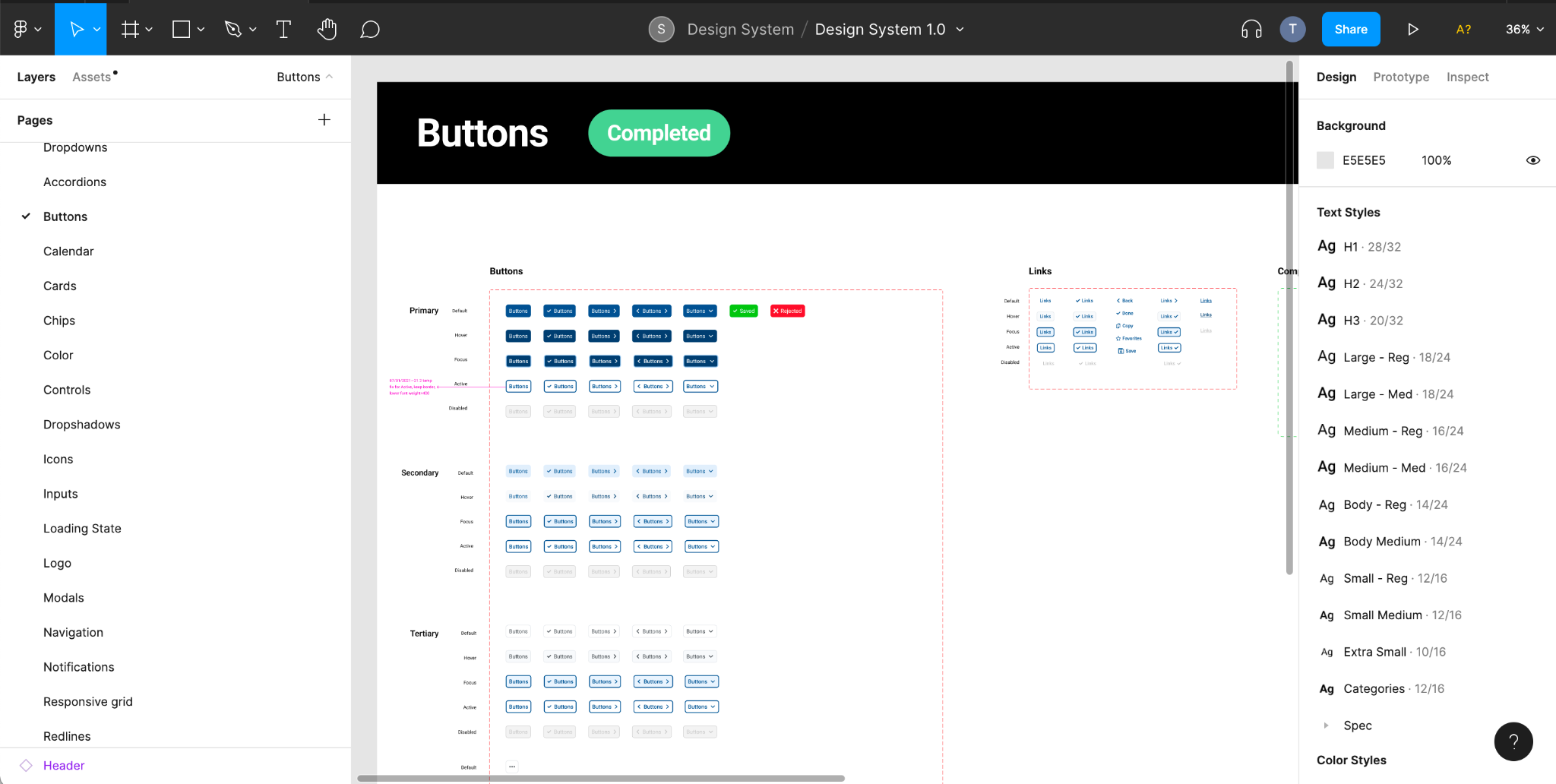
Ideation for this project was iterative - we referenced other companies such as IBM’s Carbon Design that had a look and feel we were trying to achieve, and played around with design elements that help reinforce Syntellis’ branding and push the boundaries from its legacy designs.
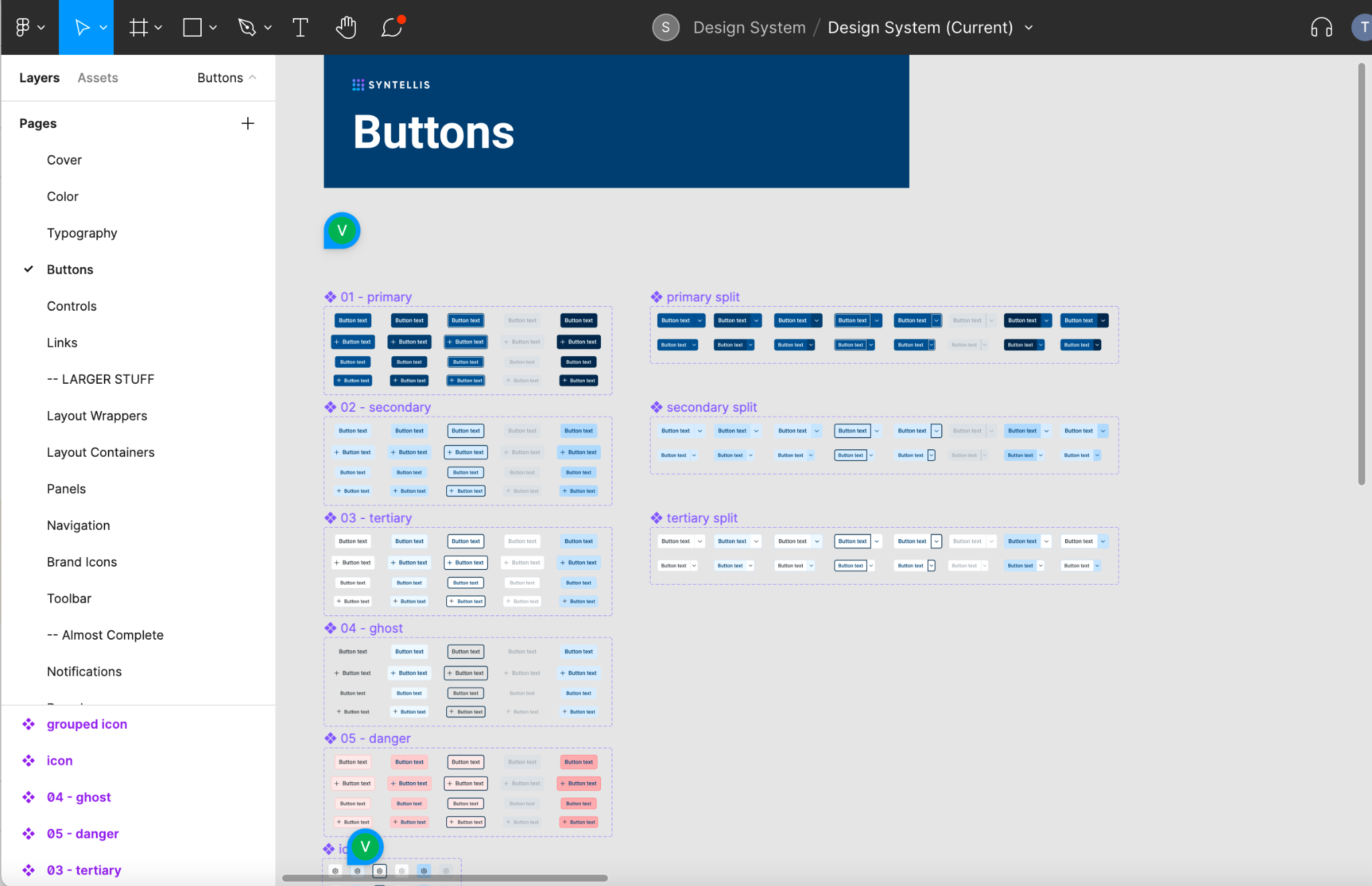
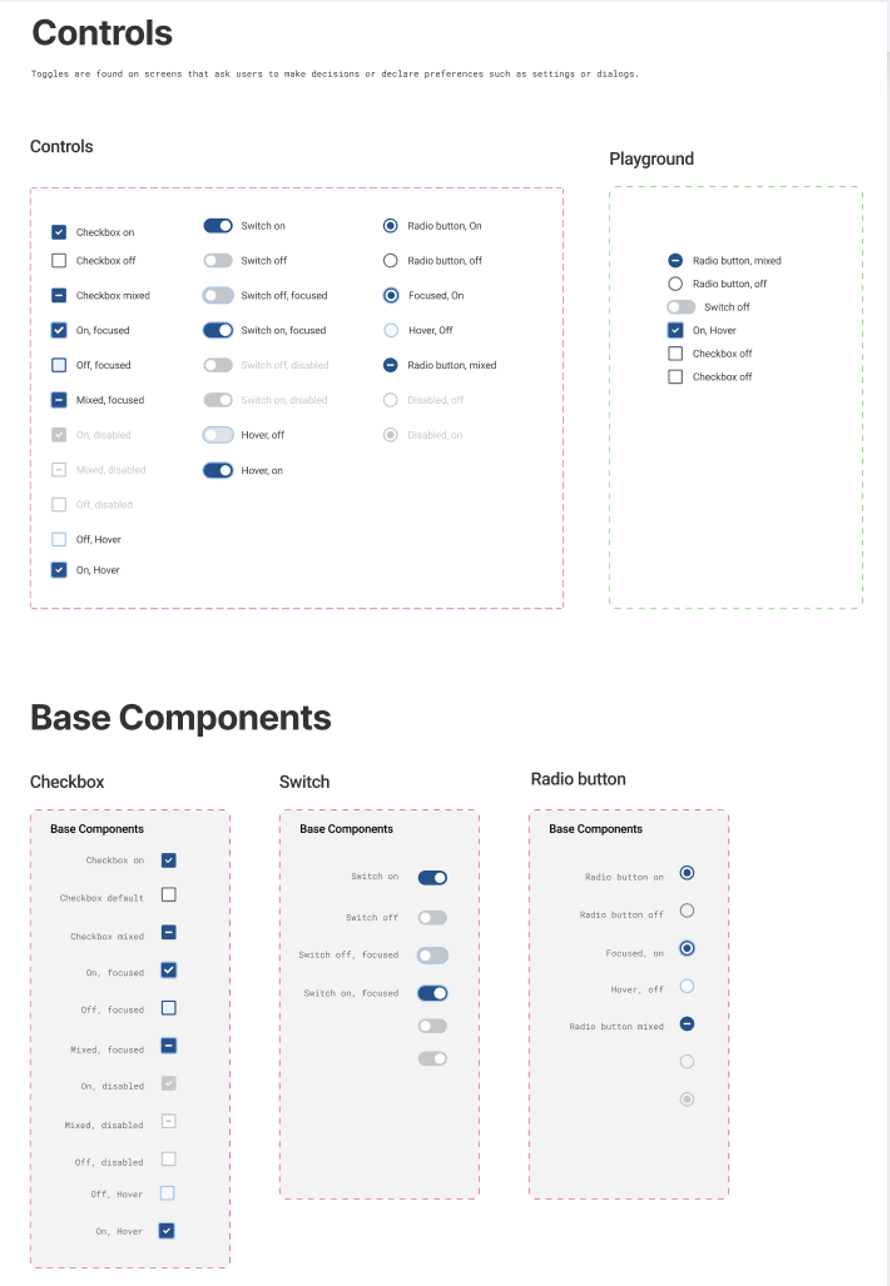
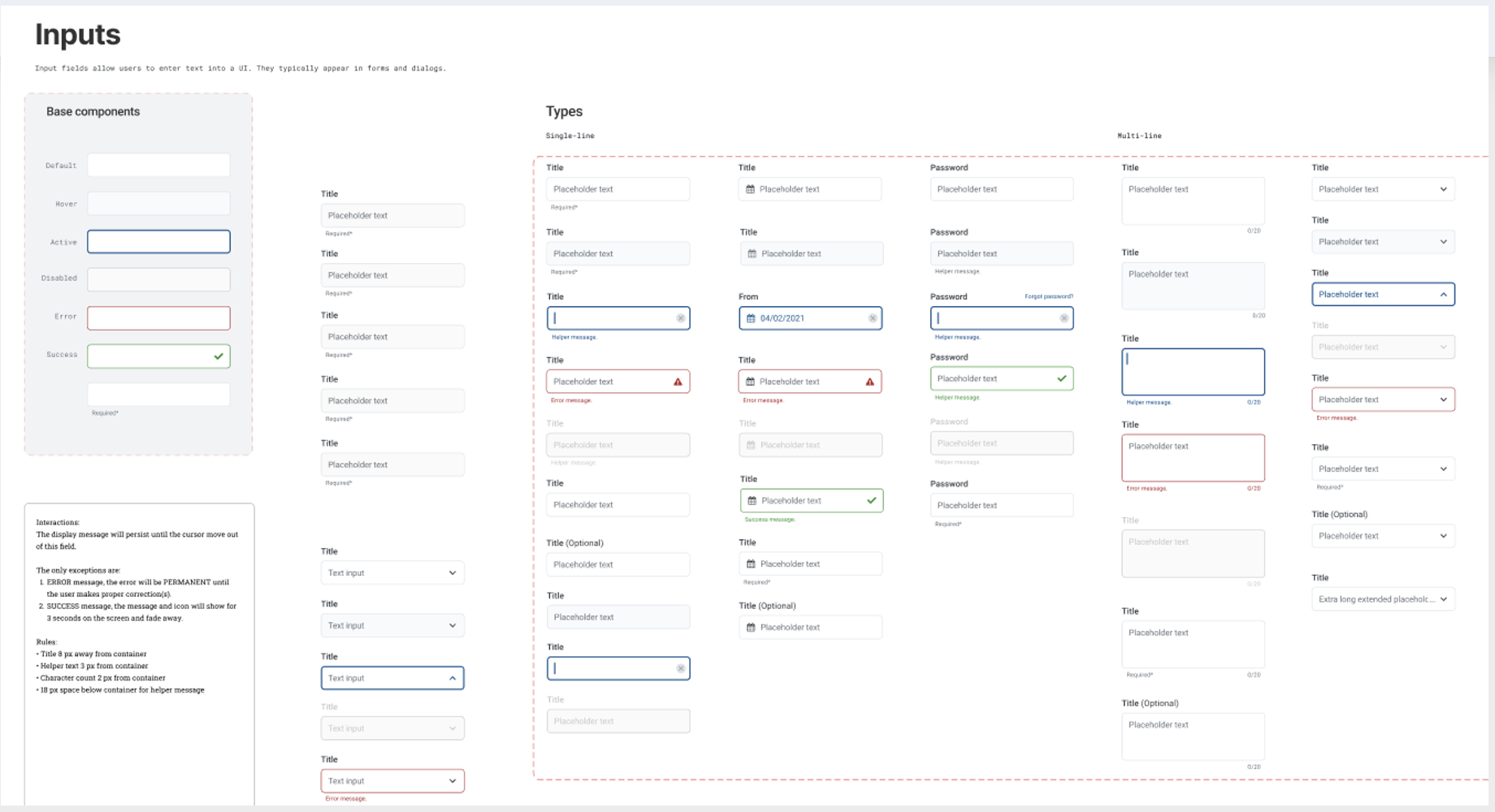
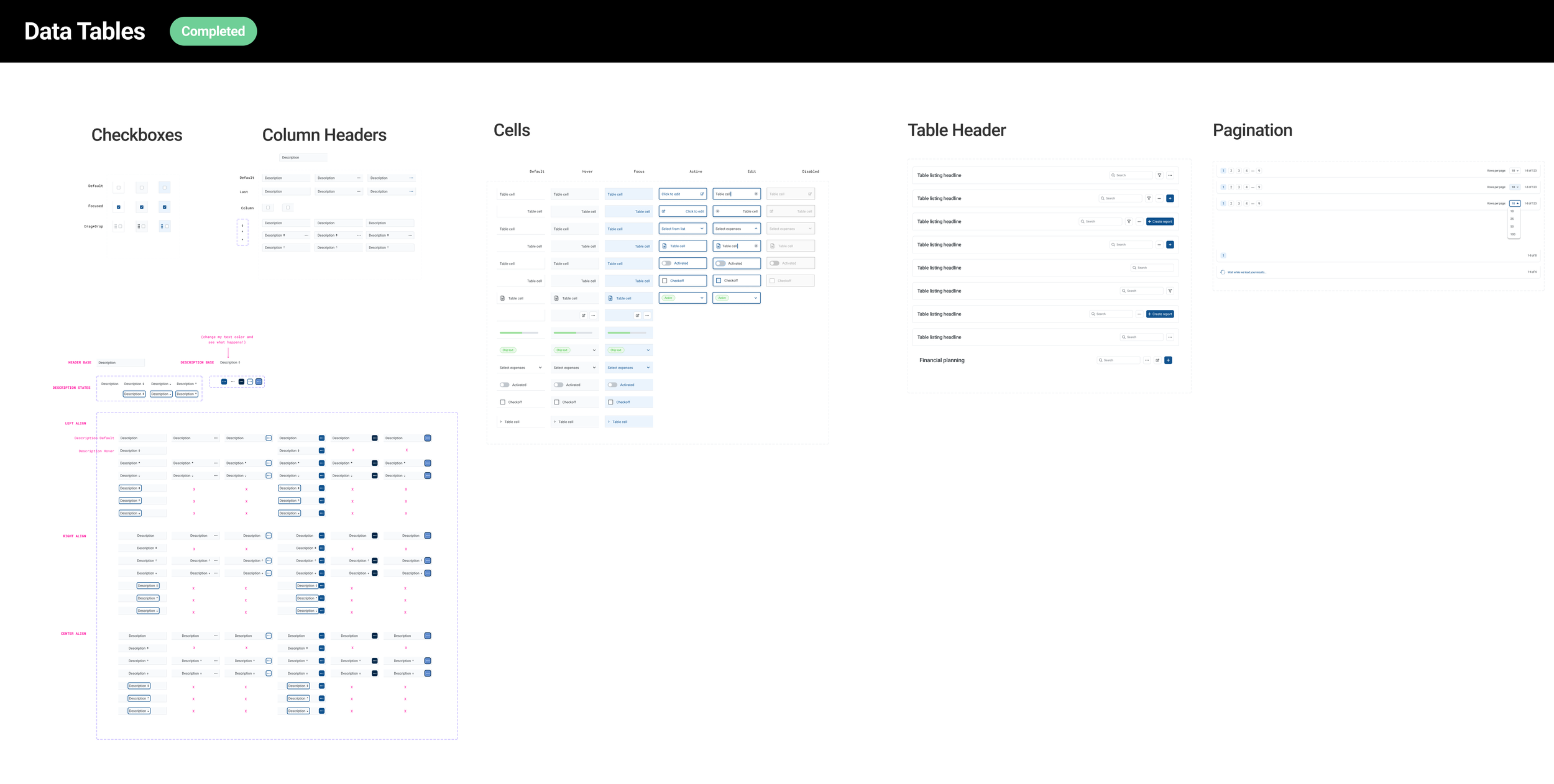
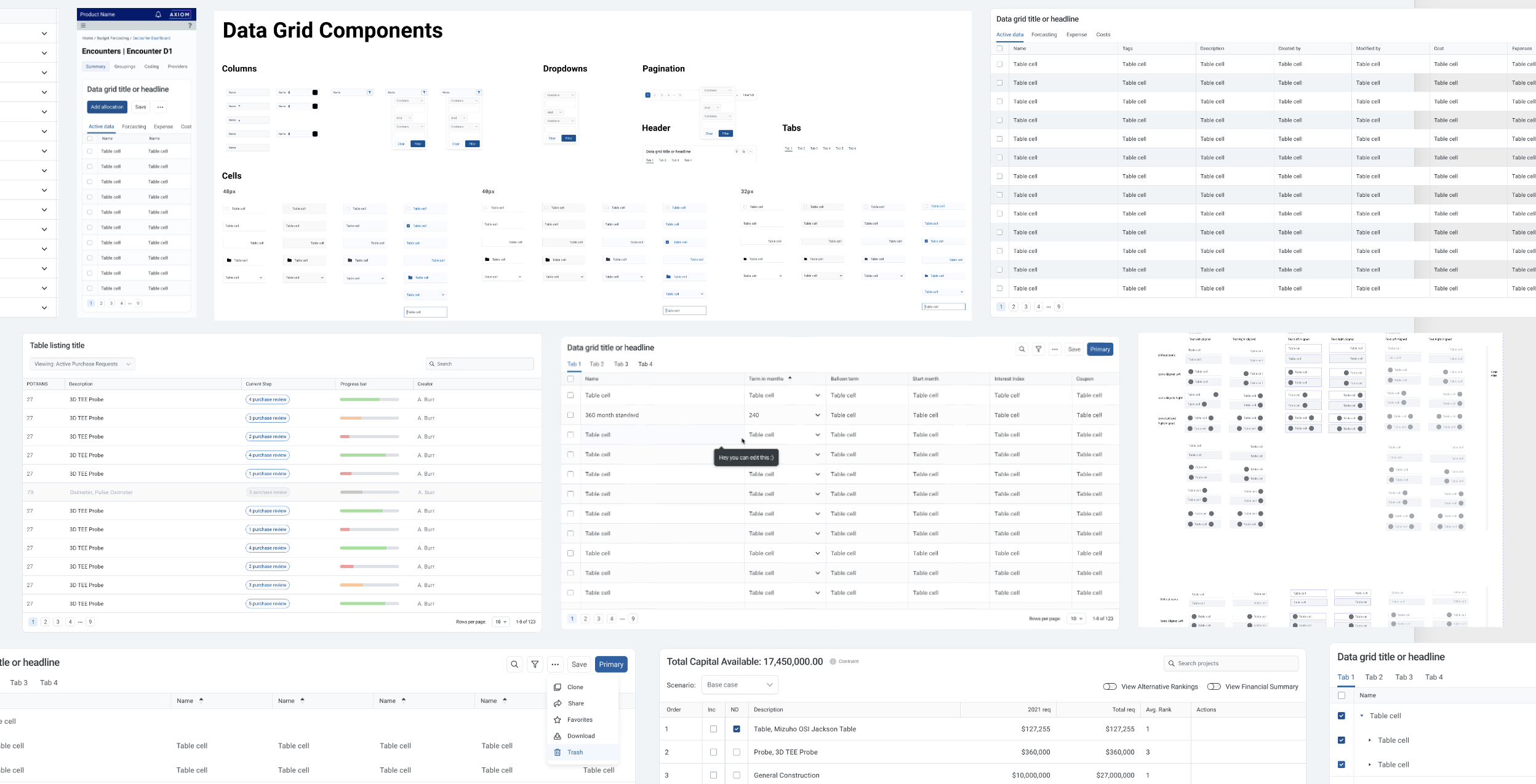
We would build upon the components by first building the atoms, to molecules, molecules to organisms and eventually templates that we could scale out to different product suites to make sure the look and feel was not only cohesive, but scalable.
THE SOLUTION
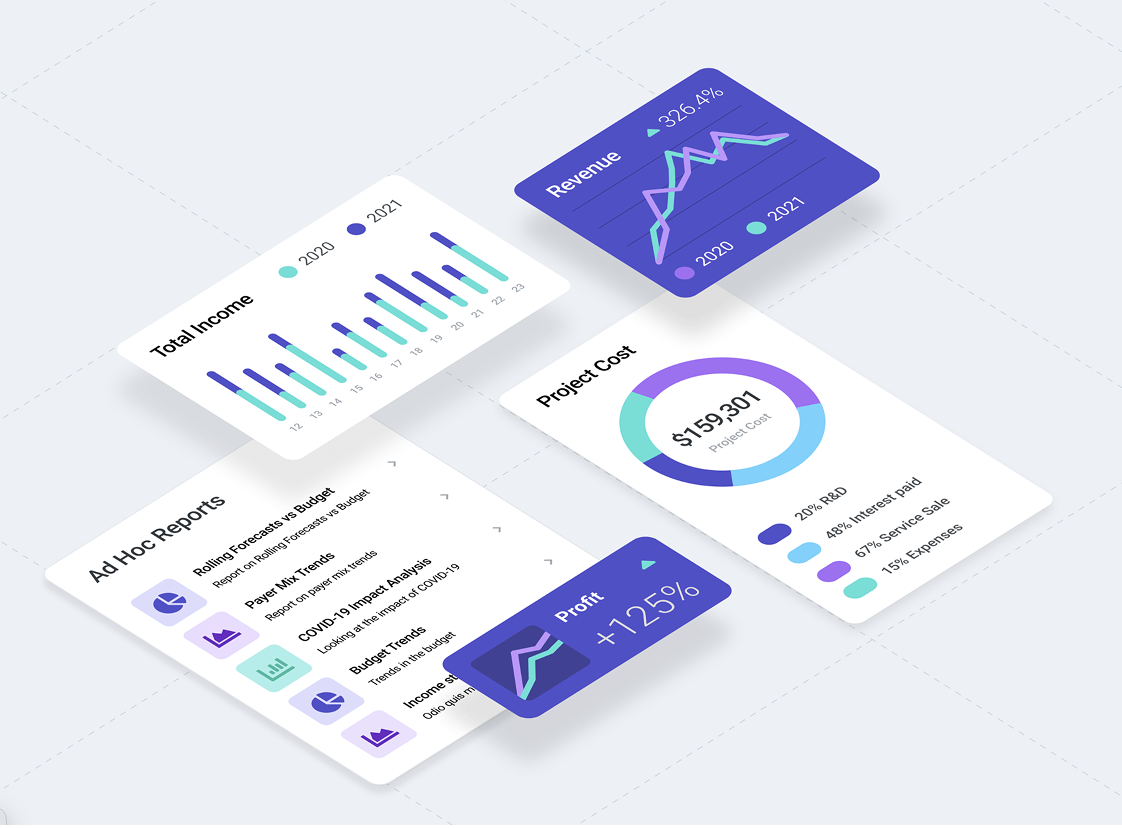
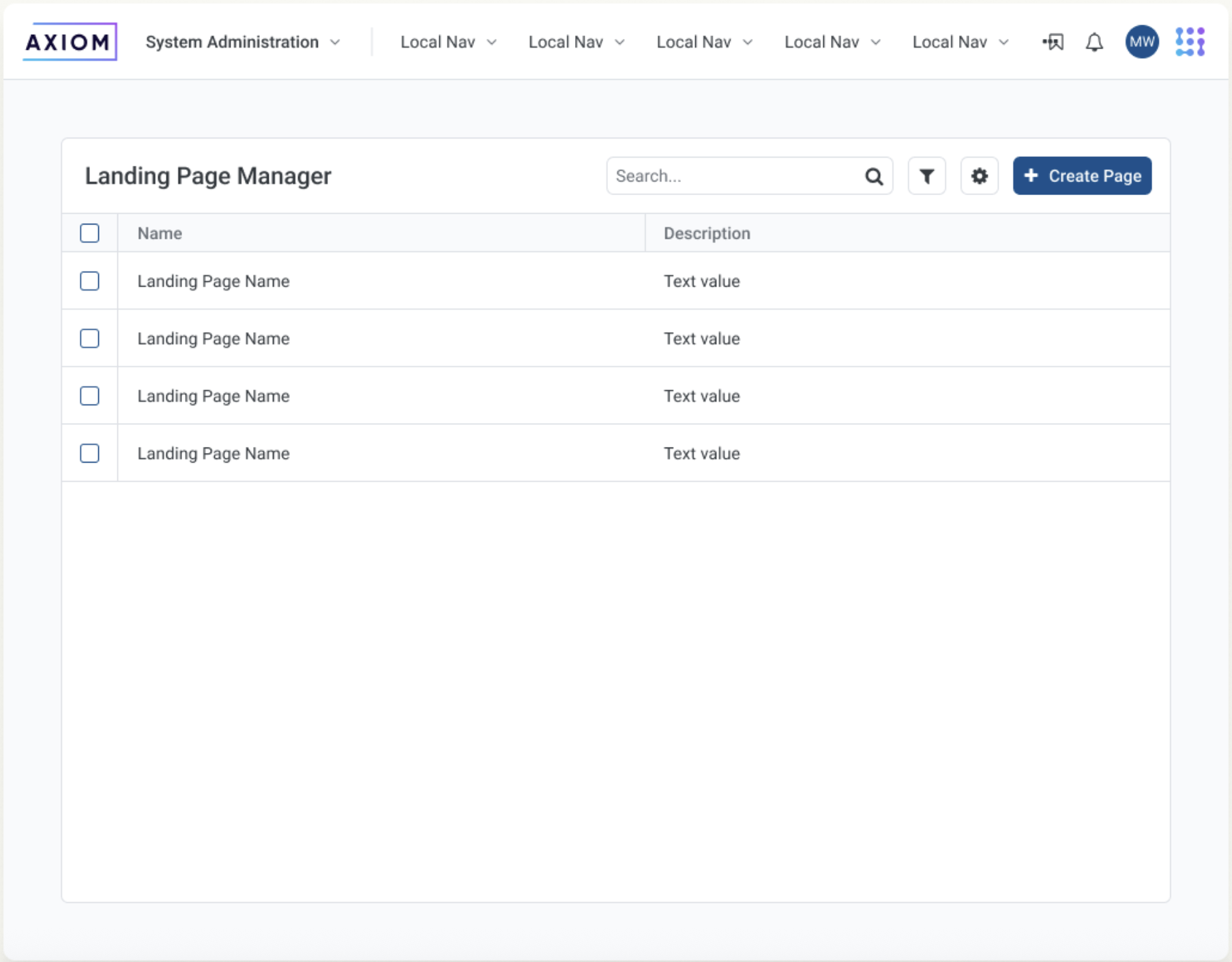
The Velocity Design System launched in Q1 2021, introducing a unified, modular framework that connected marketing, product, and customer experiences.
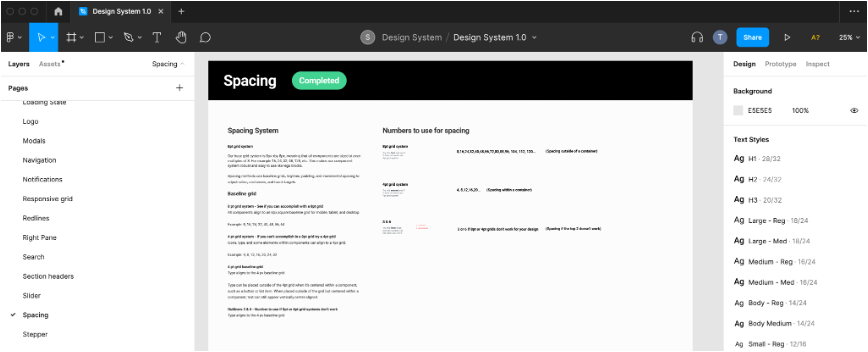
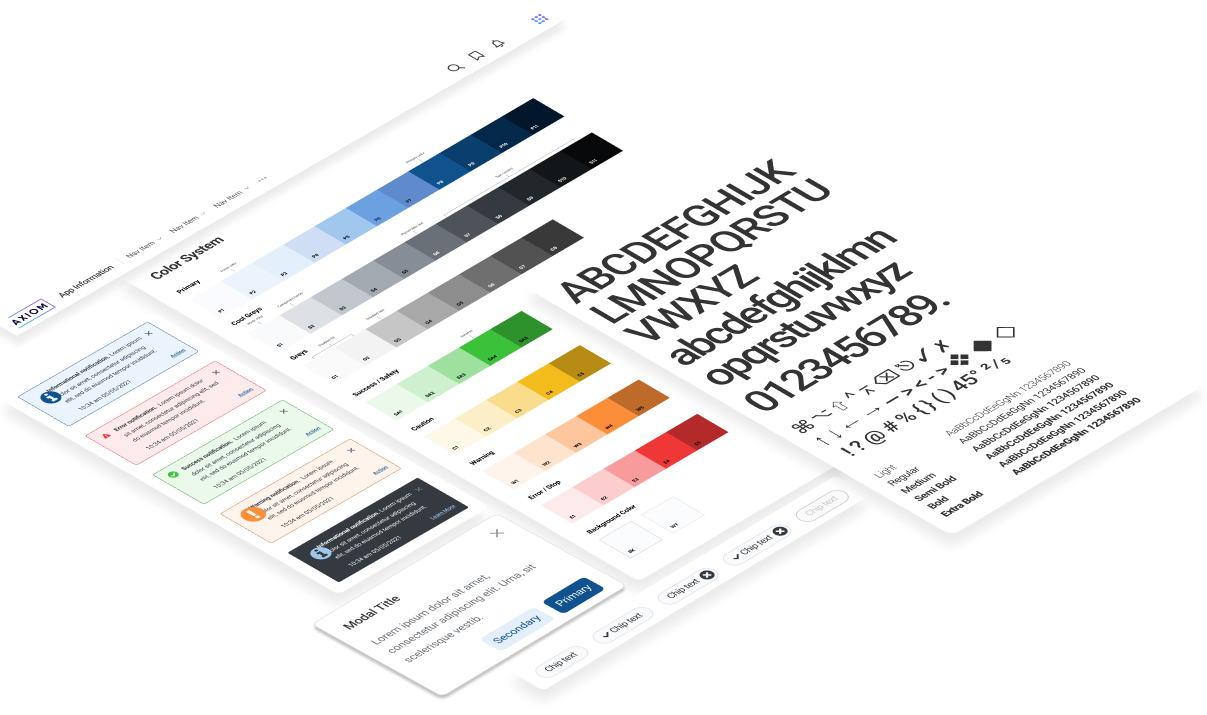
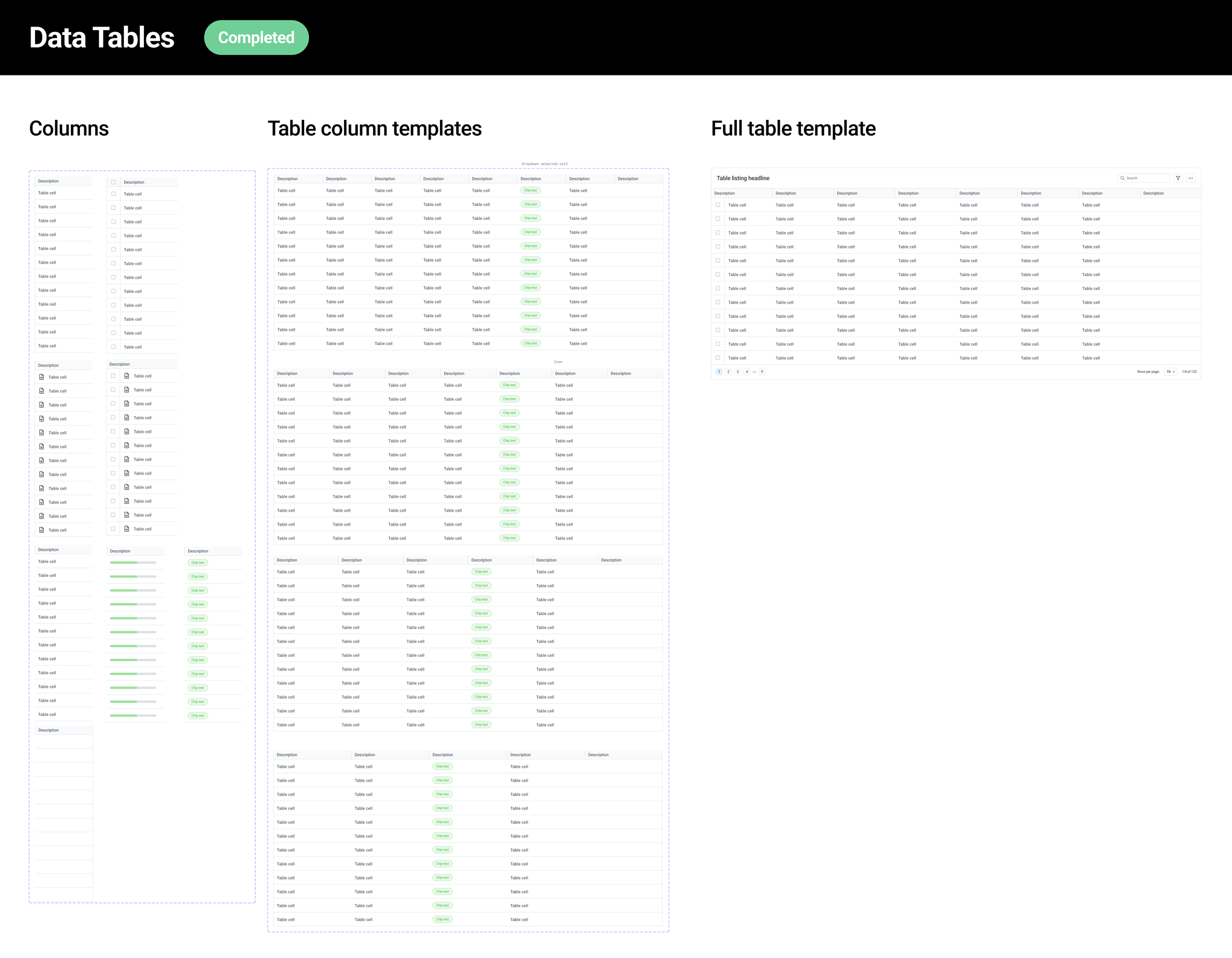
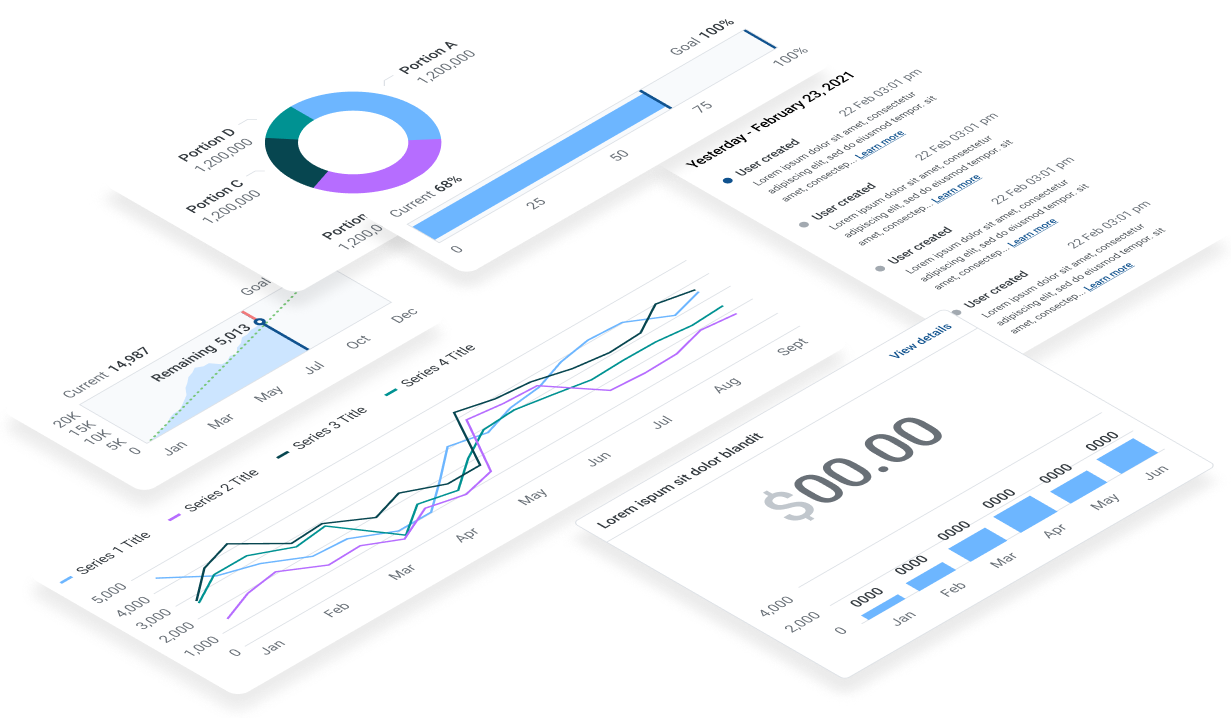
In partnership with the Marketing team, we developed comprehensive guidelines across tone and voice, typography, grid systems, and layout principles, establishing the foundation not only for the design system but for Syntellis’ broader branding. The system included reusable components, a consistent visual language, and robust documentation, enabling faster, more aligned collaboration between design and development while ensuring brand consistency at scale.
IMPACTwe launched the design system in q1 of 2021, and saw immediate measurable results
Velocity Design System was quickly adopted across 20+ products, delivering measurable results:
it resulted in +9% revenue growth and +2% customer satisfaction in the first year of launch,
Brand, design and identity alignment improve communication across engineering, design, and product, reducing time to ship personalized features for customers within financial and healthcare platforms.
“Now I get my reports in 15–20 seconds instead of hours.”
“This new system will probably save me a week’s worth of work.”